
PCBA Assembly Process: Precision, Soldering & Component Integration
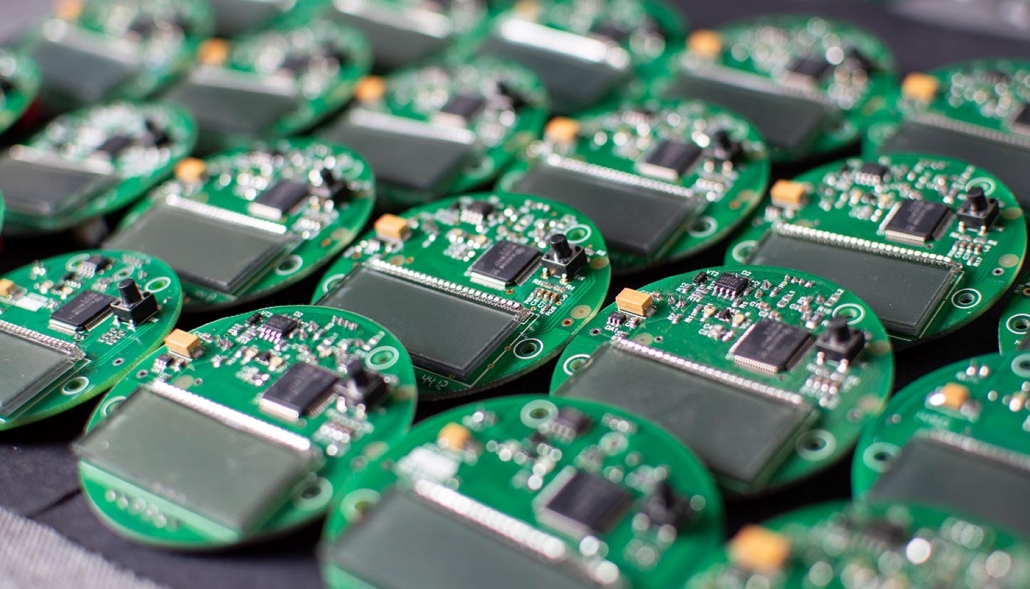
While PCBs provide the base structure, Printed Circuit Board Assembly (PCBA) is where the board becomes functional.
PCBA involves mounting electronic components onto the PCB using advanced assembly techniques.
Surface Mount Technology (SMT)
SMT is widely used for high-density electronic assemblies. Components are placed directly onto the PCB surface using automated pick-and-place machines.
Advantages include:
- Higher production speed
- Compact circuit design
- Reduced manufacturing cost
- Improved reliability
Through-Hole Assembly
For components requiring stronger mechanical stability, through-hole technology is used. Leads are inserted into drilled holes and soldered on the opposite side.
Reflow Soldering
Solder paste is applied to pads, and the board passes through a controlled reflow oven to permanently bond components.
Precise temperature control ensures:
- Strong solder joints
- Reduced voids
- Minimal thermal stress
Automated Optical Inspection (AOI)
AOI systems detect:
- Misaligned components
- Solder bridges
- Missing parts
- Polarity errors
Quality inspection ensures compliance with IPC-A-610 standards.

